la desinformaciónmisinformation / disinformation
La investigación analiza la desinformación sobre salud.
Vocabulary and context in English before you open the original.
Science ·
New research reveals who is more vulnerable to health misinformation
Before you open the article
This preparation gives you the story context, essential vocabulary, useful expressions and reading questions. Study it first, then open the original news article, which is written in Spanish.
Start preparing with vocabulary ↓What this article is about
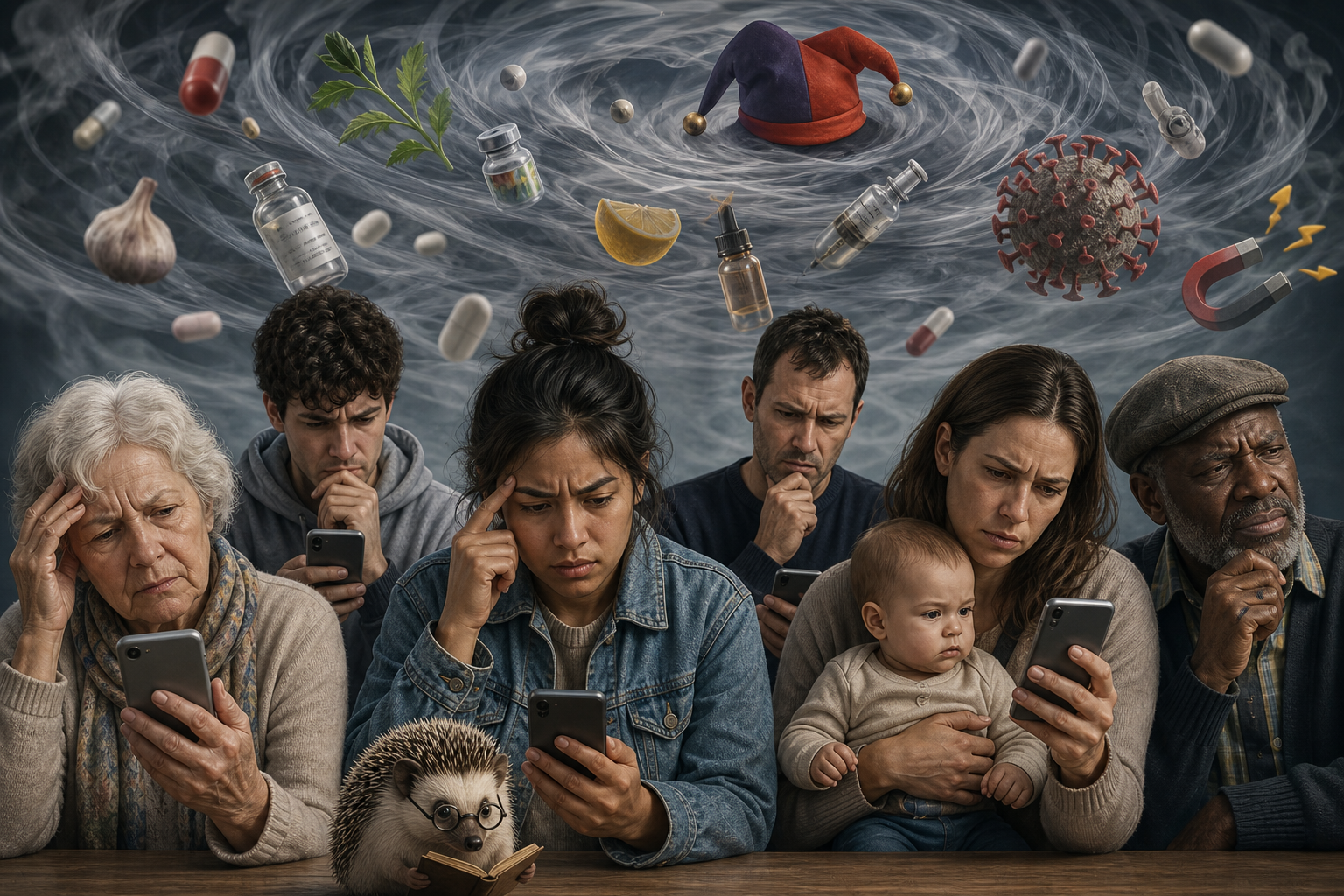
Chequeado reports that vulnerability to health misinformation is shaped more by beliefs, trust and information-literacy skills than by a single demographic profile. In the study, participants classified 65.1% of headlines correctly on average, and the most frequent error was rejecting true information rather than accepting false information.
Background you need
The research distinguishes two routes to vulnerability: people who struggle to discriminate and tend to believe claims, and people who struggle to discriminate and tend to reject them. The article says the groups have different predictors and may need different interventions. It also identifies media literacy, health literacy and attitudes toward vaccines as promising areas for intervention.
Key vocabulary
La investigación analiza la desinformación sobre salud.
Las afirmaciones falsas sobre salud pueden influir en decisiones personales.
El estudio pregunta quiénes son más vulnerables a ciertos mensajes.
La nueva investigación examina varios factores.
Es importante comprobar la evidencia disponible.
Los lectores deben evaluar la fuente de una afirmación.
La credibilidad de una fuente puede influir en su impacto.
La muestra debe representar a la población analizada.
Una correlación no demuestra necesariamente causalidad.
El estudio debe distinguir correlación de causalidad.
Quick practice
Useful expressions
Algunas personas pueden ser más vulnerables a ciertos mensajes.
La recomendación debería basarse en evidencia confiable.
Es importante distinguir entre correlación y causalidad.
Language focus
A direct question in a headline frames the article around an empirical problem rather than a fixed conclusion.
¿Quiénes son más vulnerables a las desinformaciones sobre salud?
The structure “más vulnerable” compares degrees of susceptibility.
Un grupo puede ser más vulnerable que otro.
Scientific reporting often attributes findings explicitly to a study.
Según el estudio, ciertos factores se relacionan con una mayor vulnerabilidad.
Before you read
Continue with the original
You have prepared the main context and language. The button opens the publisher’s original Spanish-language article in a new tab.
Open the original article in Spanish →After reading
Related topics
More preparations
Cisjordania: padres palestinos temen el aumento de ataques contra escuelas
Doce países toman medidas comerciales contra productos de asentamientos israelíes en Cisjordania
Más allá del estrecho de Ormuz: Irán amplía sus restricciones marítimas
Back to this week’s edition →